NeuroscienceJuly 29, 2026
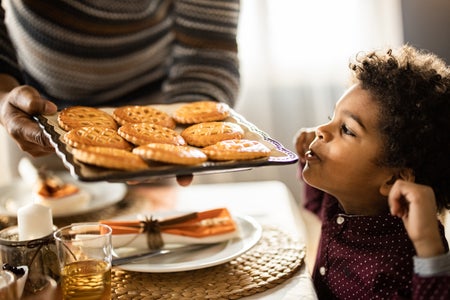
Neuroscientists pinpoint how smells bring back childhood memories
Smell can bring back vivid childhood memories—the so-called Proust’s madeleine phenomenon—and neuroscientists now think they know why
Neuroscientists pinpoint how smells bring back childhood memories
Smell can bring back vivid childhood memories—the so-called Proust’s madeleine phenomenon—and neuroscientists now think they know why
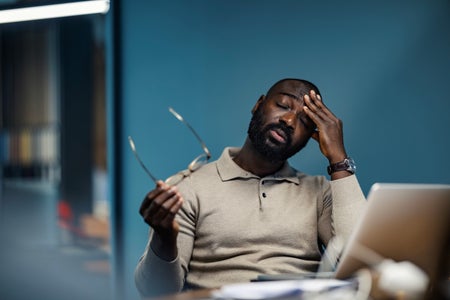
How mental exhaustion changes the choices you make
Neuroscientists show how the brain weighs effort against reward when we're mentally fatigued

Wimbledon 2026 opened with a 148-mph serve—here’s how tennis players’ brains track such fast balls
Tennis players can return high-speed balls using a combination of reaction and predicting the future
How working memory could give rise to consciousness
Working memory is the information we need to access to complete the tasks we’re engaged in right now, and scientists think it may be closely entwined with consciousness
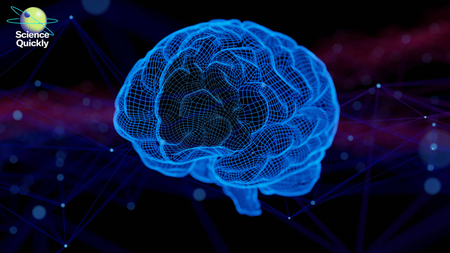
Learning from unexpected results: This neuroscientist is redefining how the brain learns
Neuroscientist Kauê M. Costa talks about surprising results that are changing how we think dopamine works and how the brain really learns
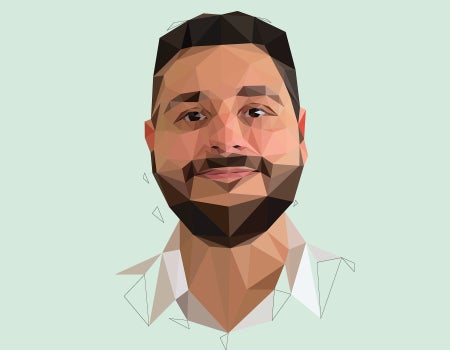
Kauê M. Costa
Applying new tools to behavioral tests to discern how we learn
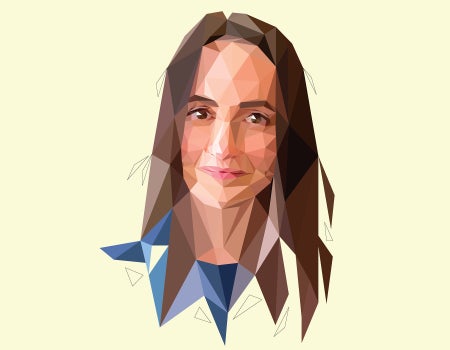
Emily Finn
Studying why people interpret the same thing in different ways
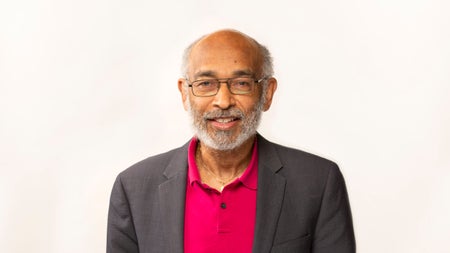
Emery Brown
The computational neuroscientist on how scientists themselves need to better advocate for government support
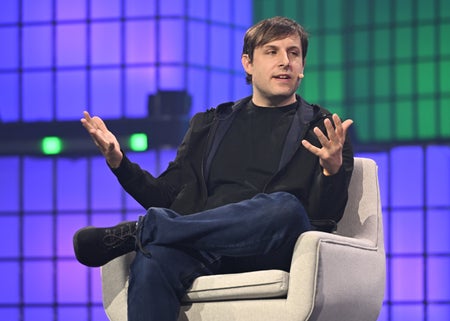
Max Hodak
The Science Corporation CEO and Neuralink co-founder on how artificial intelligence is the new industrial revolution
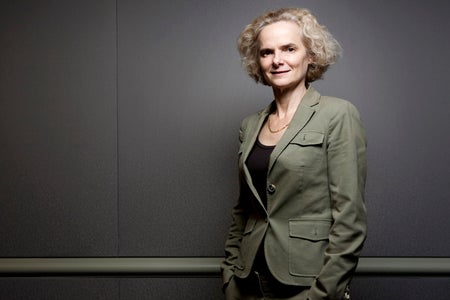
Nora D. Volkow
The federal health official on the need to keep scientists from leaving the U.S.
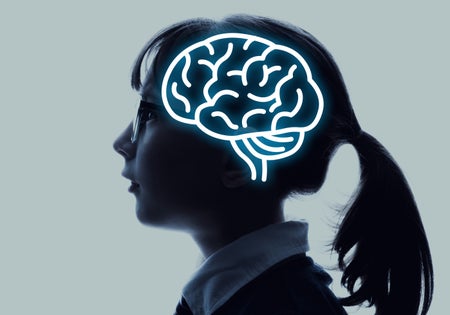
Children’s zip codes change their brains
Children living in areas with low socioeconomic opportunities have more tired and stressed brains, a new study finds
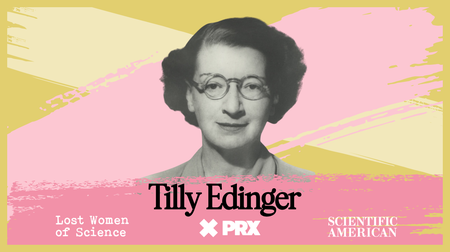
The paleoneurologist saved by her science
Johanna Gabriela Ottilie “Tilly” Edinger dedicated her career to studying ancient brains. It saved her life