
The U.S. Food and Drug Administration has approved a new cholesterol-busting drug that appears to reduce harmful cholesterol far below levels than can be achieved using statins.
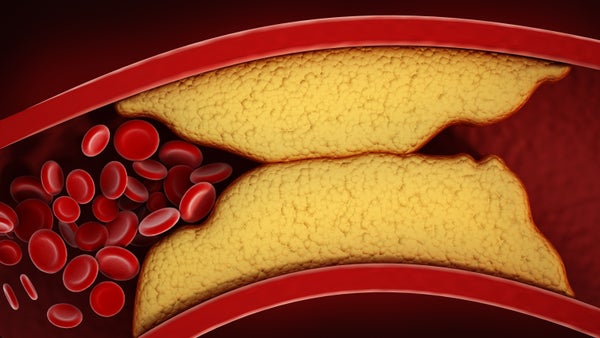
Statins have long been the preferred drugs for reducing levels of LDL (low-density lipoprotein), a dangerous type of cholesterol that causes plaque to build up inside the arteries, raising the risk of heart disease and stroke. Most adults have levels of LDL above 100, but the new pill can lower levels to 50 or even lower, clinical trials show.
Called enlicitide, the once-a-day pill is set to be sold under the brand name Lipfendra at a list price of $315 for a 30-day supply. Injectable drugs that work the same way as enlicitide and are just as effective have been available for around a decade, but they are much more expensive.
On supporting science journalism
If you're enjoying this article, consider supporting our award-winning journalism by subscribing. By purchasing a subscription you are helping to ensure the future of impactful stories about the discoveries and ideas shaping our world today.
Cardiologist and director of the Scripps Research Translational Institute Eric Topol says it is “good to have an FDA-approved pill that works through the same known pathway and achieves LDL lowering comparable to the injectable PCSK9 drug inhibitors.”
The newly approved drug is made by the pharmaceutical giant Merck, which discovered lovastatin—the first statin to gain FDA approval—in 1987.
Enlicitide works by inhibiting PCSK9, a protein produced by the liver that slows the body’s ability to flush out cholesterol. Clinical trial data suggest it has side effects comparable to those of a placebo. Over the course of about six months, the drug lowered cholesterol levels in adults with, or at risk of, atherosclerotic cardiovascular disease—caused by the buildup of cholesterol plaques on artery walls—by up to 60 percent.
The approval comes after the American Heart Association and the American College of Cardiology released new cholesterol guidelines in March. These suggested patients who are at risk of heart attack or stroke should try to lower their LDL levels to below 70; for people at high risk, the recommended target is below 55. Currently, U.S. adults are recommended to be screened for cholesterol levels at least once every five years.
Overwhelming evidence suggests that too much LDL cholesterol raises the risk of heart attack or stroke. Merck is now conducting trials to see if its new medication can prevent heart attacks and strokes.
Editor’s Note (7/16/26): This is a breaking news story and may be updated.