MathematicsJune 7, 2026
How math can help you decide what to order for dinner
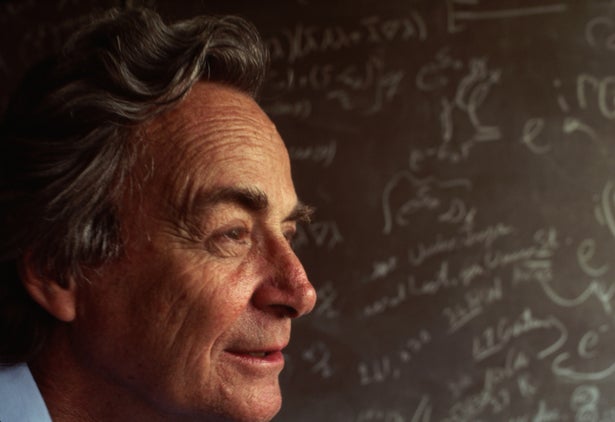
An experiment with 2,520 participants backs Richard Feynman’s answer to every diner’s dilemma: do I want to try something new?
How math can help you decide what to order for dinner
An experiment with 2,520 participants backs Richard Feynman’s answer to every diner’s dilemma: do I want to try something new?

Scientific American Summer Reading Challenge

Aquanauts experience awe-inspiring ‘underview effect’

Giant black holes may be the universe’s best planet makers
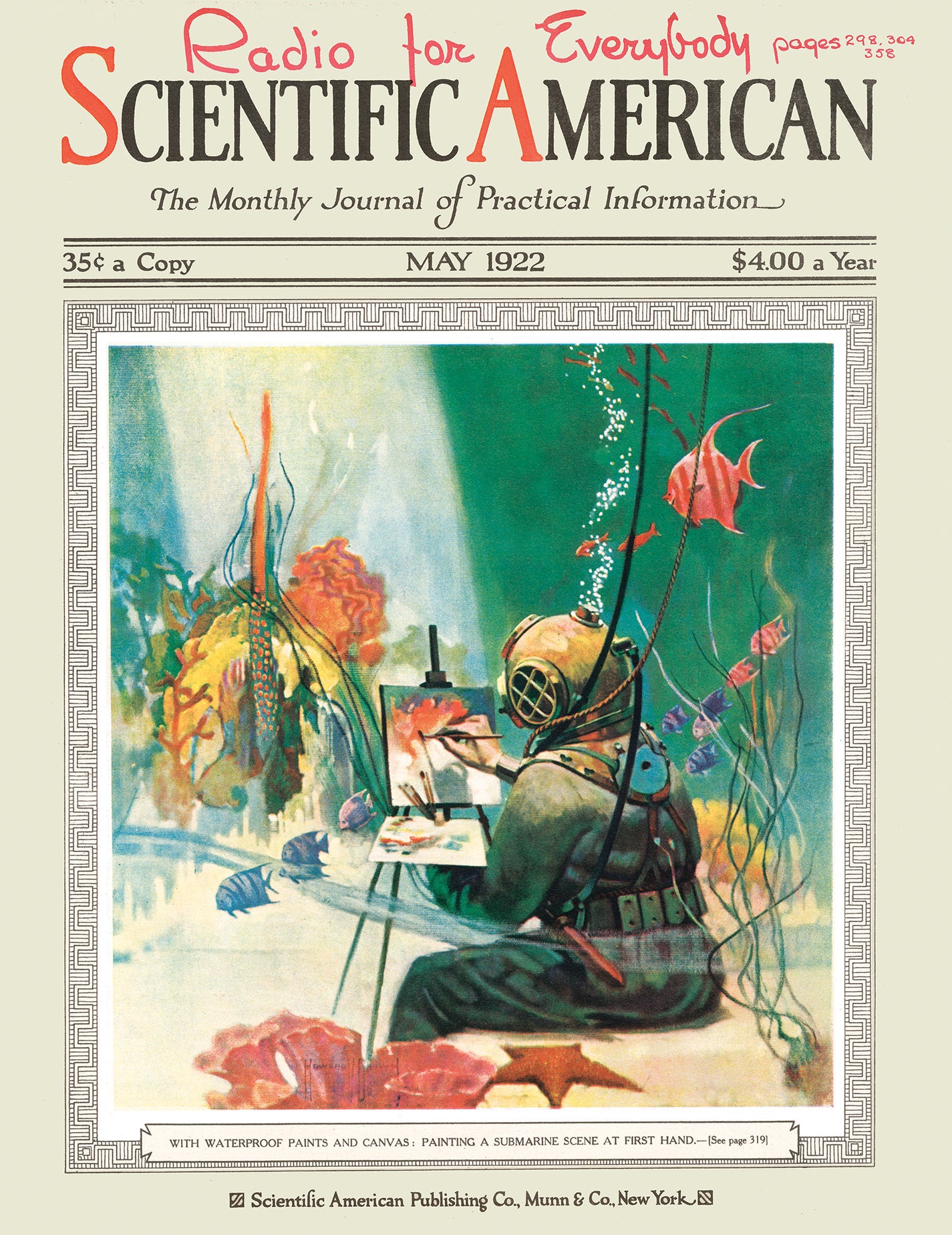
Cover Art Jigsaw: May 1922

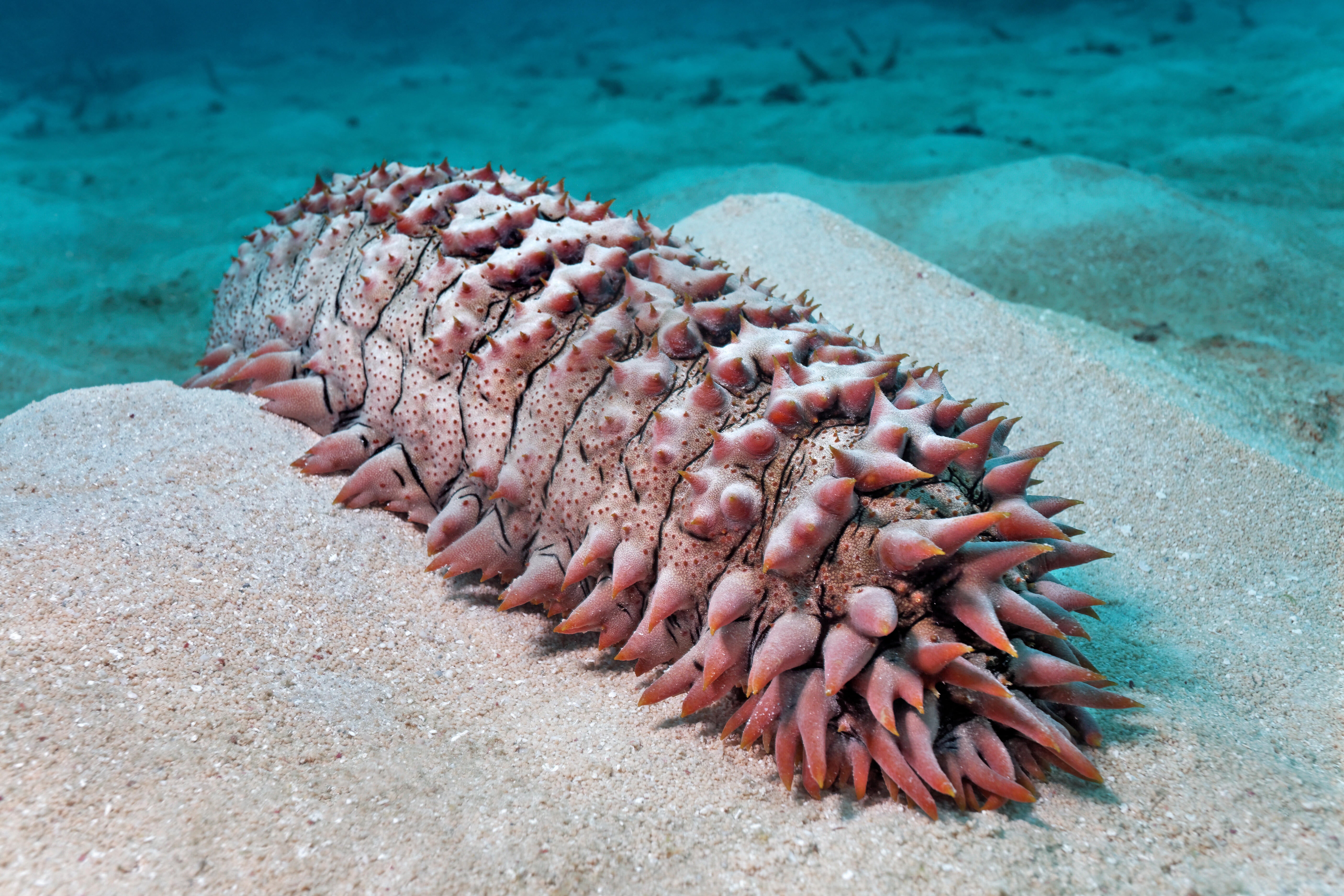
Can AI detect smuggled sea cucumbers?
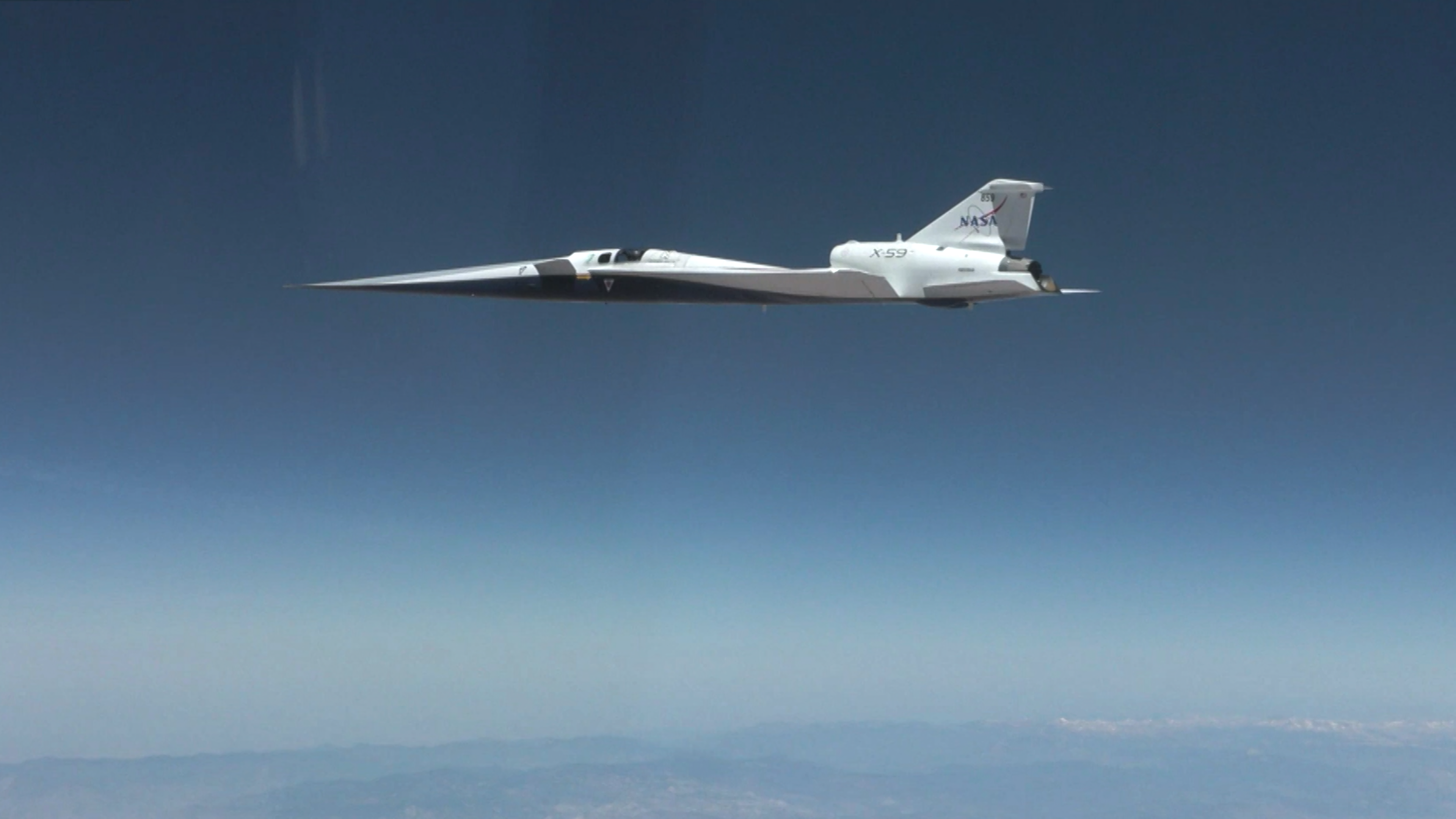
NASA’s X-59 plane goes supersonic for the first time

How prediction markets could forecast the future of science

Anthropic warns AI could soon start improving itself. Critics aren’t convinced
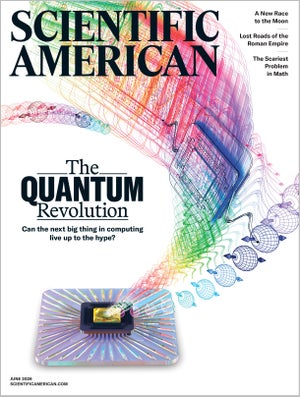
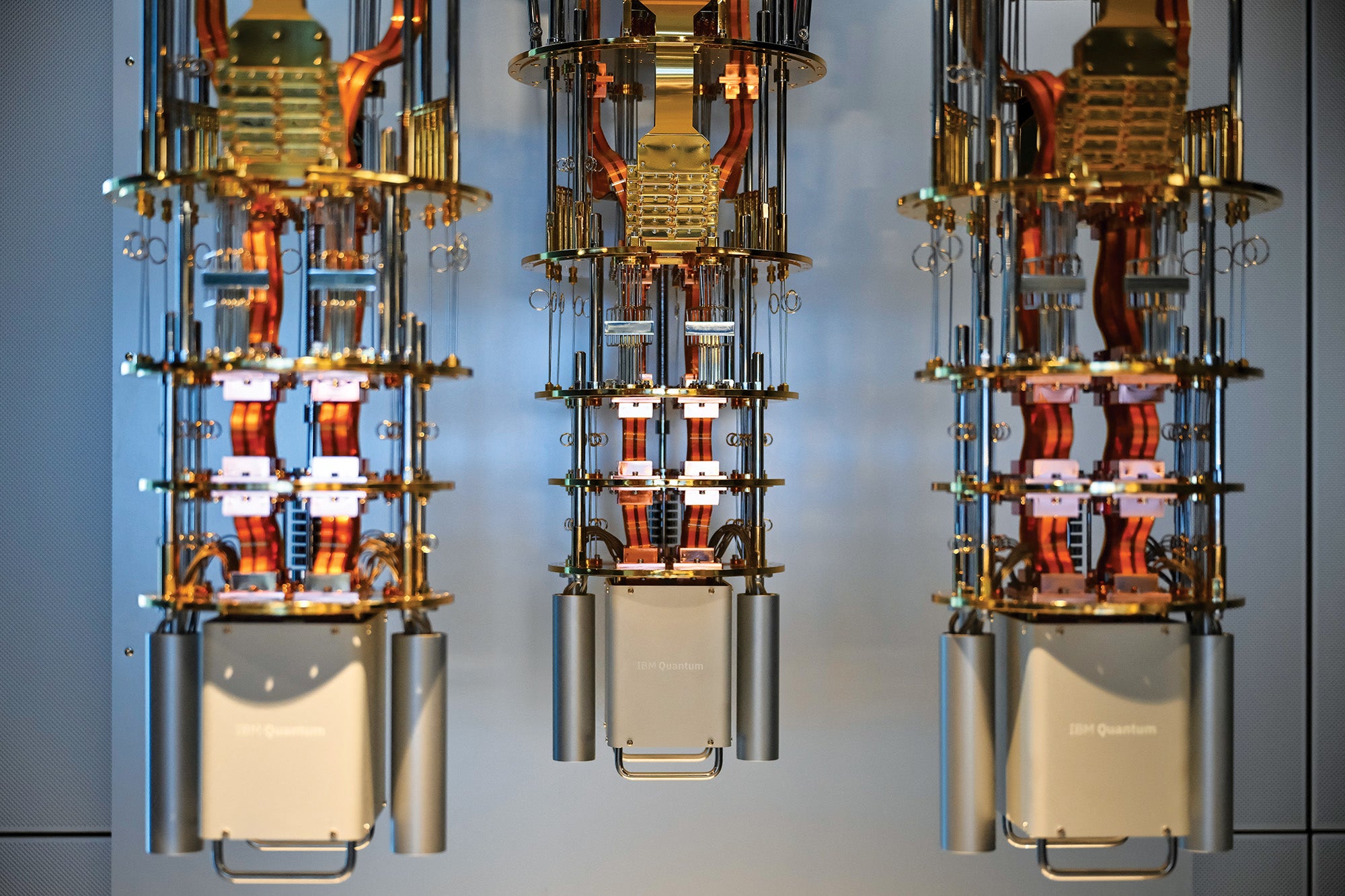
Quantum computing is reaching its make-or-break moment

What’s a quantum computer good for, anyway?
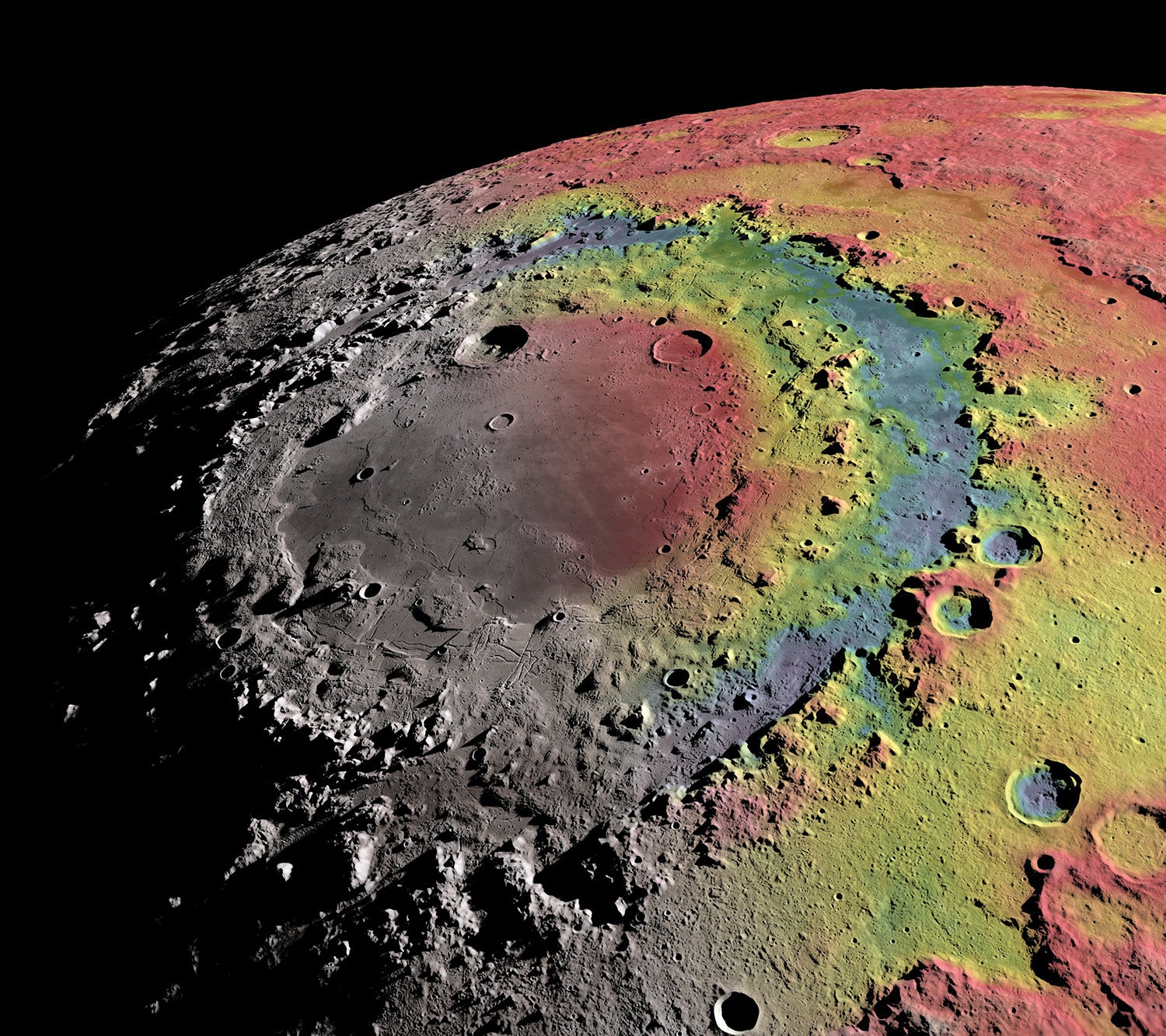
NASA’s Artemis era may finally solve three major moon mysteries
Create as many words as you can!
Stretch your math muscles with these puzzles.
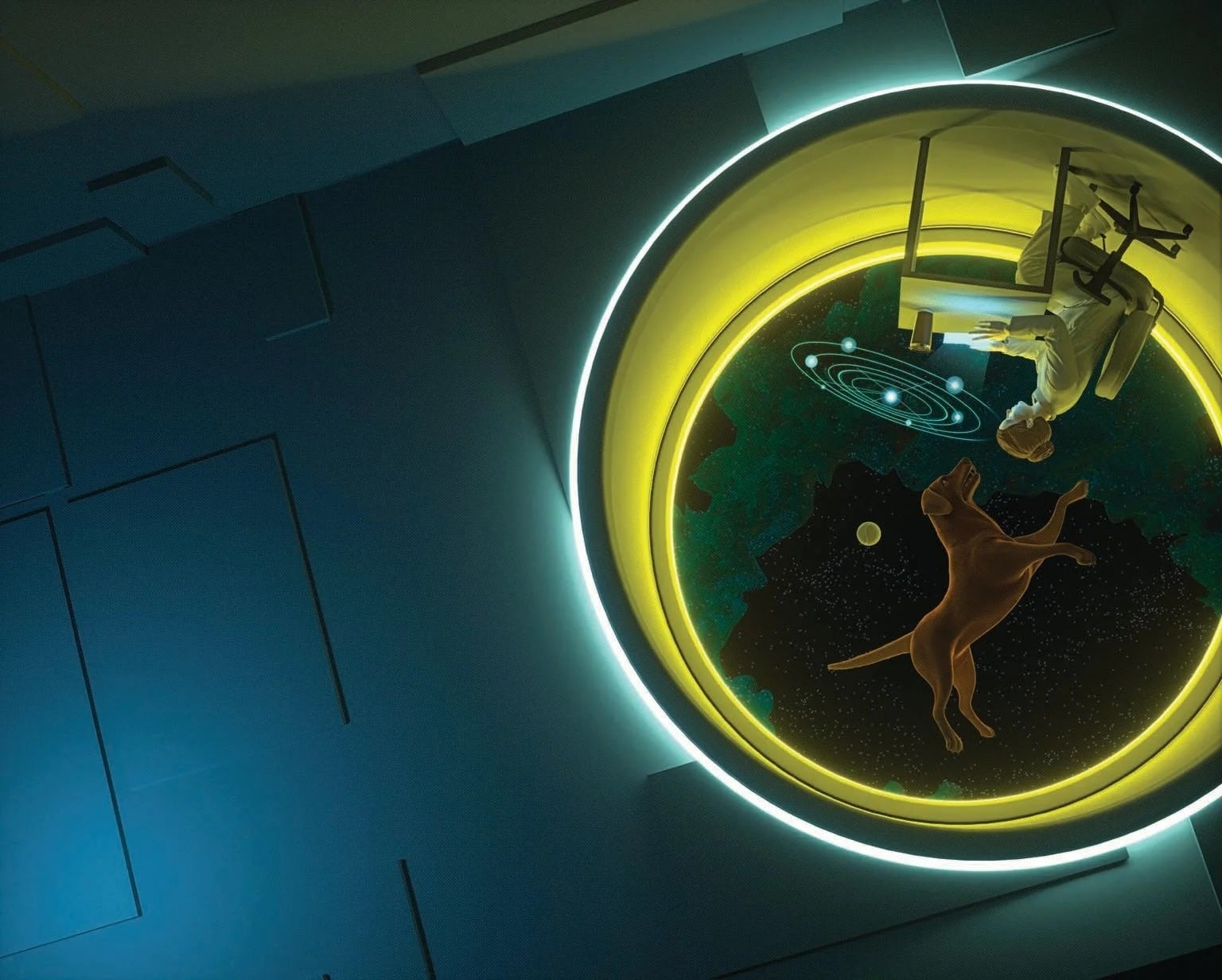
Why we'll never live in space
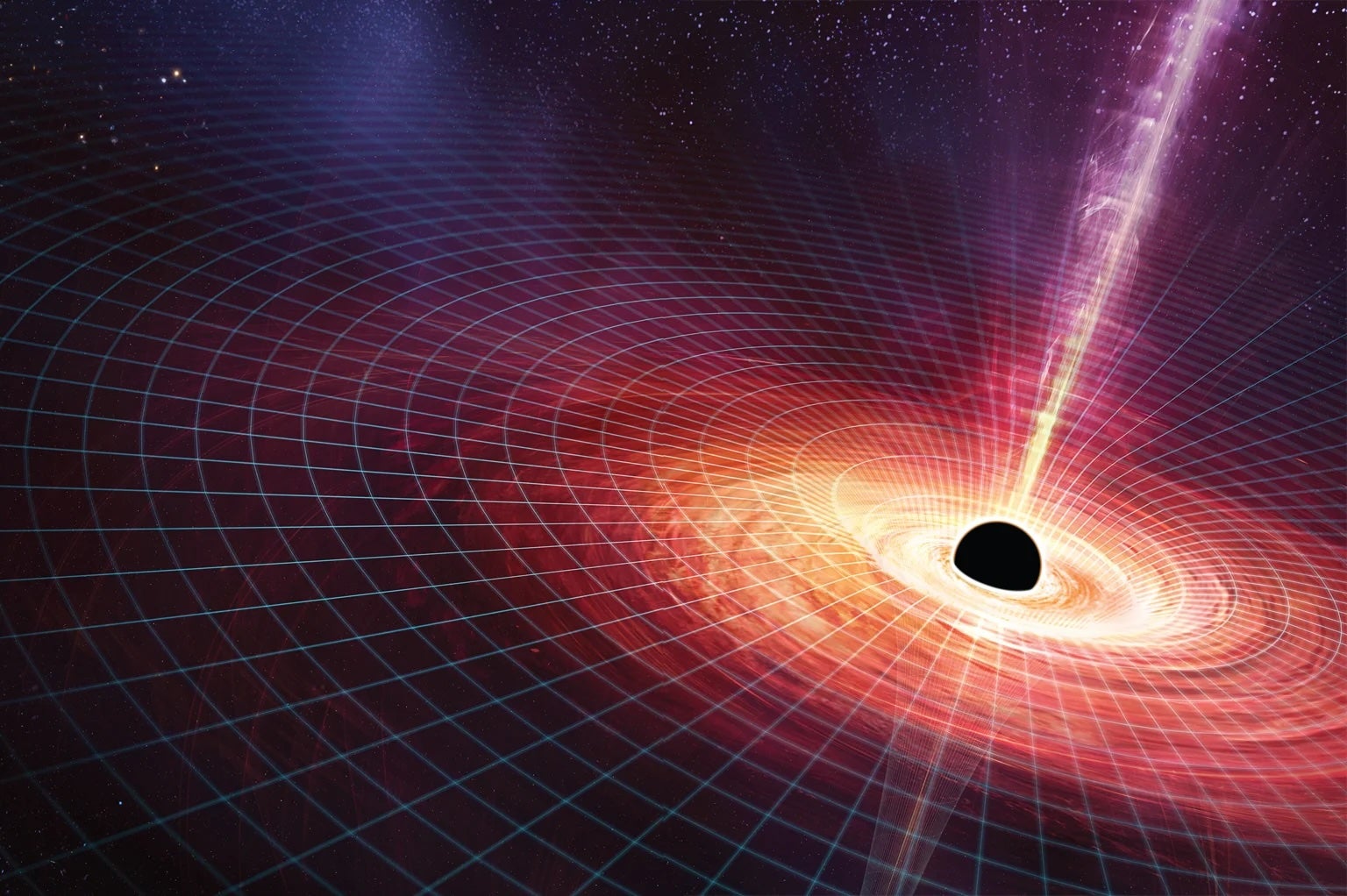
The puzzle of the first black holes

What if we never find dark matter?

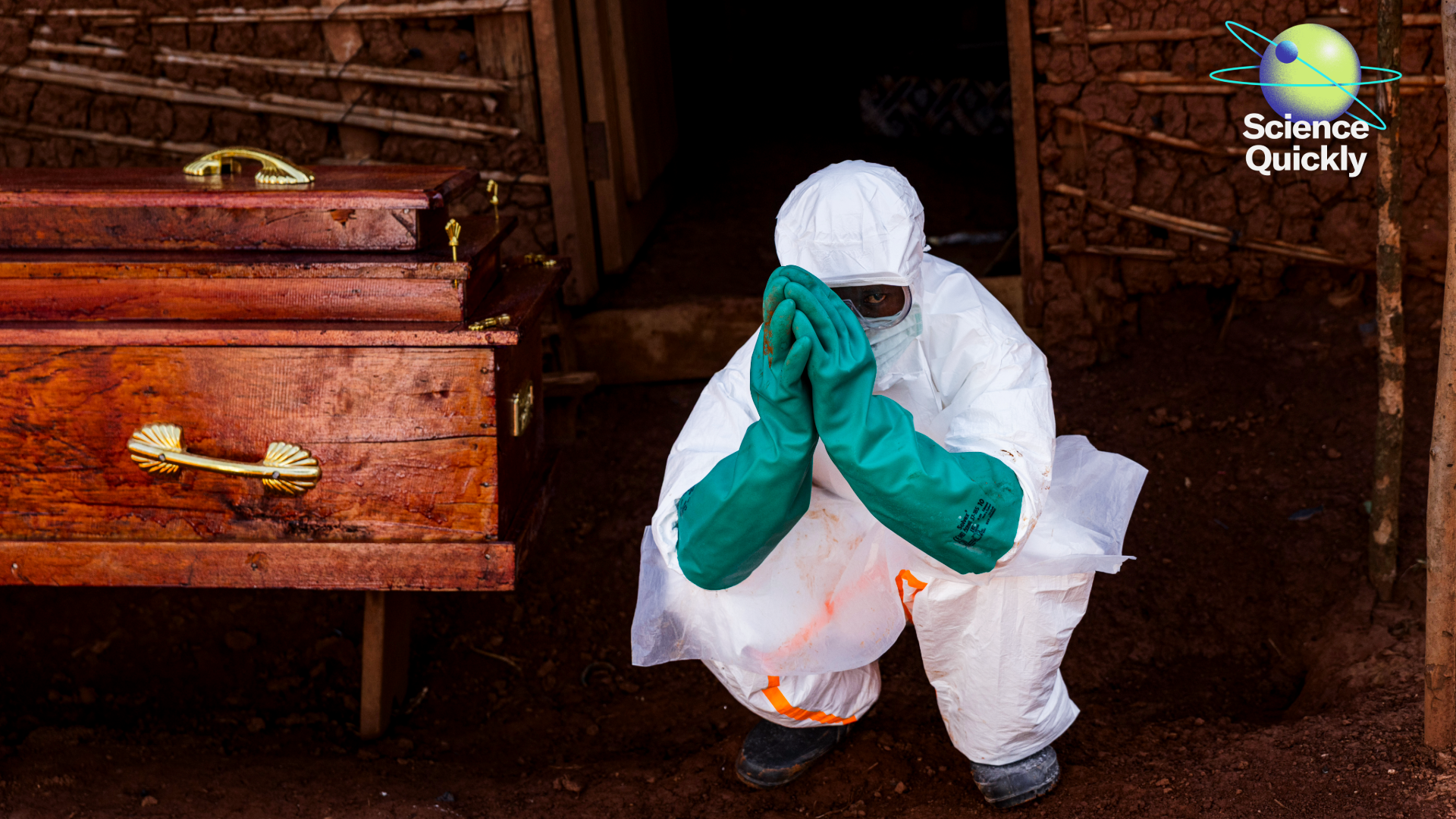
A new Ebola outbreak has killed hundreds—and the U.S. response is alarming experts
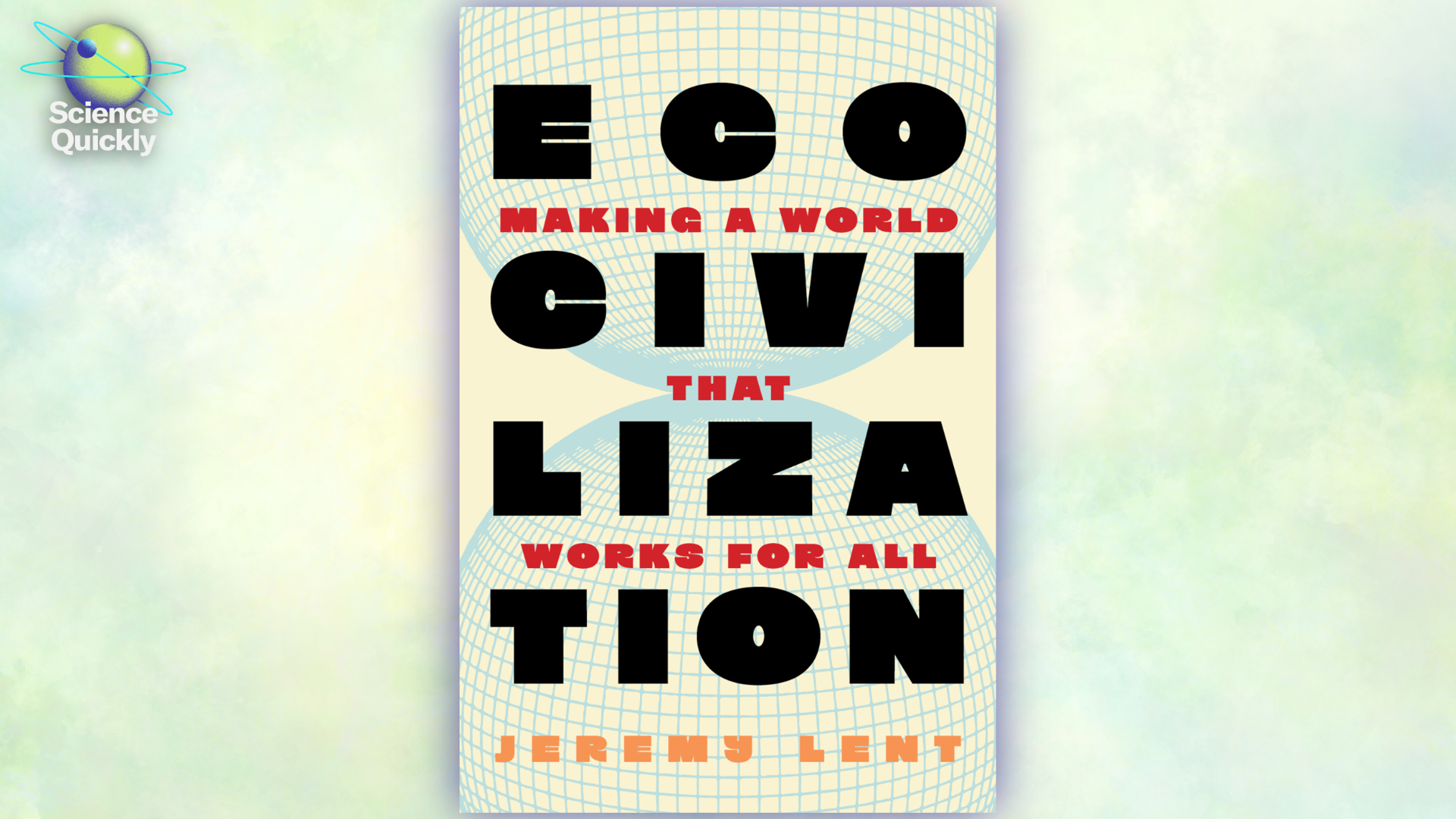
A new book debunks the myth of human selfishness—and makes the case for an ‘ecocivilization’
NASA’s X-59 plane goes supersonic for the first time
This experimental plane, which reached supersonic speeds yesterday, is designed to travel faster than the speed of sound without creating bothersome sonic booms

White House reclassifies federal epidemiologists and other scientists from civil servants to ‘at-will’ hires
The long-anticipated “Schedule F” order strips job protections meant to safeguard federal employees from political interference

Anthropic warns AI could soon start improving itself. Critics aren’t convinced
The maker of Claude wants AI labs, including itself, to prepare for a coordinated slowdown if models begin building their own successors

Humans conquered the planet 300 times faster than genetic evolution can explain
Culture is humanity’s secret for world domination. This calculation shows just how powerful it is
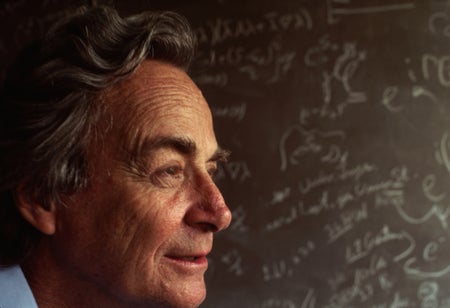
How math can help you decide what to order for dinner
An experiment with 2,520 participants backs Richard Feynman’s answer to every diner’s dilemma: do I want to try something new?
How Gödel numbers let you do math with math itself
By encoding mathematical statements into numbers, mathematician Kurt Gödel used ordinary arithmetic to check whether a statement can be proved